Share
May, European Diversity Month: From “Trend” to Sustainable Performance
2026. 05. 14.
2 min
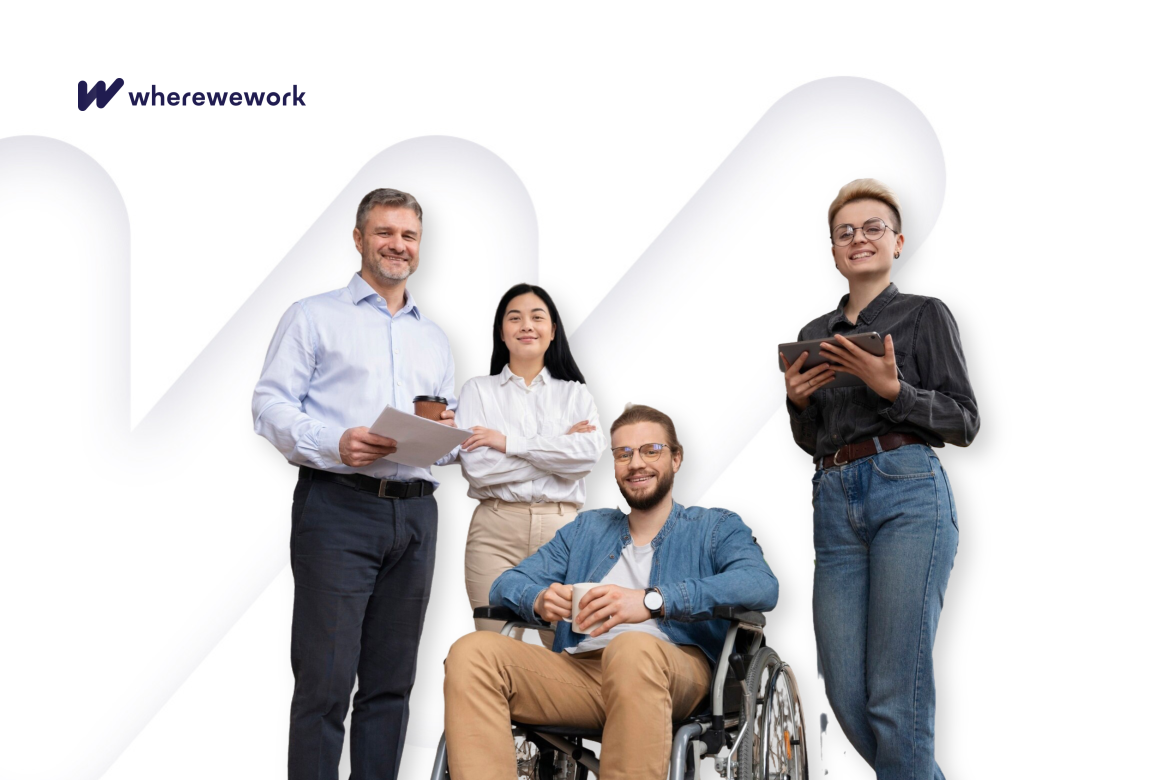
Every year, May marks European Diversity Month, an initiative that invites us to reflect on how inclusion shapes the future of work. In an increasingly dynamic and interconnected talent market, the question for organizational leaders is no longer "why is diversity important," but "how do we transform it into a pillar of sustainable growth."
At wherewework, we see a clear shift in professional expectations: modern candidates are no longer just looking for a salary package, but for a cultural ecosystem where their uniqueness is seen as an asset, not a barrier.
1. Diversity as a Business and Innovation Driver
Although cultural contexts may vary from one region to another, fundamental HR challenges are universal: the need for innovation, talent retention, and adaptability. Diversity—whether we are talking about gender, age, cultural background, or neurodiversity—represents a rigorous business strategy.
-
Innovation through Multiple Perspectives: Homogeneous teams tend to reach consensus quickly but rarely produce disruptive solutions. A diverse team forces the organization to step out of its "blind spots" and analyze problems from multiple points of view.
-
Attracting and Retaining Talent: In a globalized market, companies that demonstrate an authentic inclusive culture become magnets for talent seeking a work environment based on respect and equity.
-
Financial Performance: Global studies indicate that organizations prioritizing diversity in leadership are significantly more likely to report profitability above their industry average.
2. The Pillars of an Inclusive Organizational Culture
To move from simple awareness campaigns to real change, companies must focus on clear strategic directions:
-
Cross-generational Collaboration: We are witnessing a first in the history of work: four or even five generations working in the same space, whether virtual or physical. Success depends on managers' ability to facilitate knowledge transfer between the solid experience of veterans and the digital agility of new generations, eliminating age-related biases.
-
Inclusive Leadership: Inclusion doesn't happen by itself; it must be led from the top. An inclusive leader is one who doesn't just manage teams but cultivates a space of psychological safety, where every employee's voice is heard and considered in the decision-making process.
-
Neurodiversity: An Untapped Resource: Modern organizations are beginning to recognize the immense value of neurodivergent employees (individuals with ADHD, autism, dyslexia, etc.). These professionals often bring remarkable analytical skills, "out-of-the-box" thinking, and increased attention to detail, provided the work environment is adapted to their specific needs.
3. Action Plan: Marking Diversity Month with Real Impact
If you want this month to generate lasting change in your company, here are some recommended initiatives:
1. Brand Perception Audit: Use data and feedback from the wherewework platform to understand how your culture is perceived by candidates from different backgrounds. Identify points where the recruitment process might be unintentionally exclusionary.
2. Unconscious Bias Training: We all have culturally formed biases. Workshops that help us recognize them are essential for making fair decisions in promotions, evaluations, and hiring.
3. Flexibility as an Inclusion Tool: Recognizing that employees have different needs depending on their life stage. A flexible work policy is, essentially, a form of respect for the diversity of human needs.
4. Employee Resource Groups (ERGs): Encourage the formation of internal support communities. These groups provide management with direct and valuable feedback on how the daily work experience can be improved for everyone.
Conclusion: The Future Belongs to Open Organizations
European Diversity Month reminds us that a company's strength lies not in its ability to make employees think the same, but in the courage to let them be themselves. Professional boundaries are becoming increasingly fluid, and organizational culture is becoming the primary differentiator in the market.
At wherewework, our mission remains the same: to support transparency and provide the space where every professional can find their right place. Our challenge for employers this month is simple: To truly celebrate diversity, build a culture where it can flourish.
Share
What I read is worth it:
Read all the articles about
Leadership concepts Human behavior Employee experience Employer brandingArticle written by:
 wherewework.hu
Comments
0 comments
No comments! Be the first to comment on this article!

Access your account and add your comment
Leadership concepts

Subscribe to the Newsletter
Read articles of interest from wherewework.hu contributors
