Share
The Entry Level vs AI Trap: Why the Job Market Risks Running Out of Mid Level Specialists in the Coming Years
2026. 06. 25.
4 min
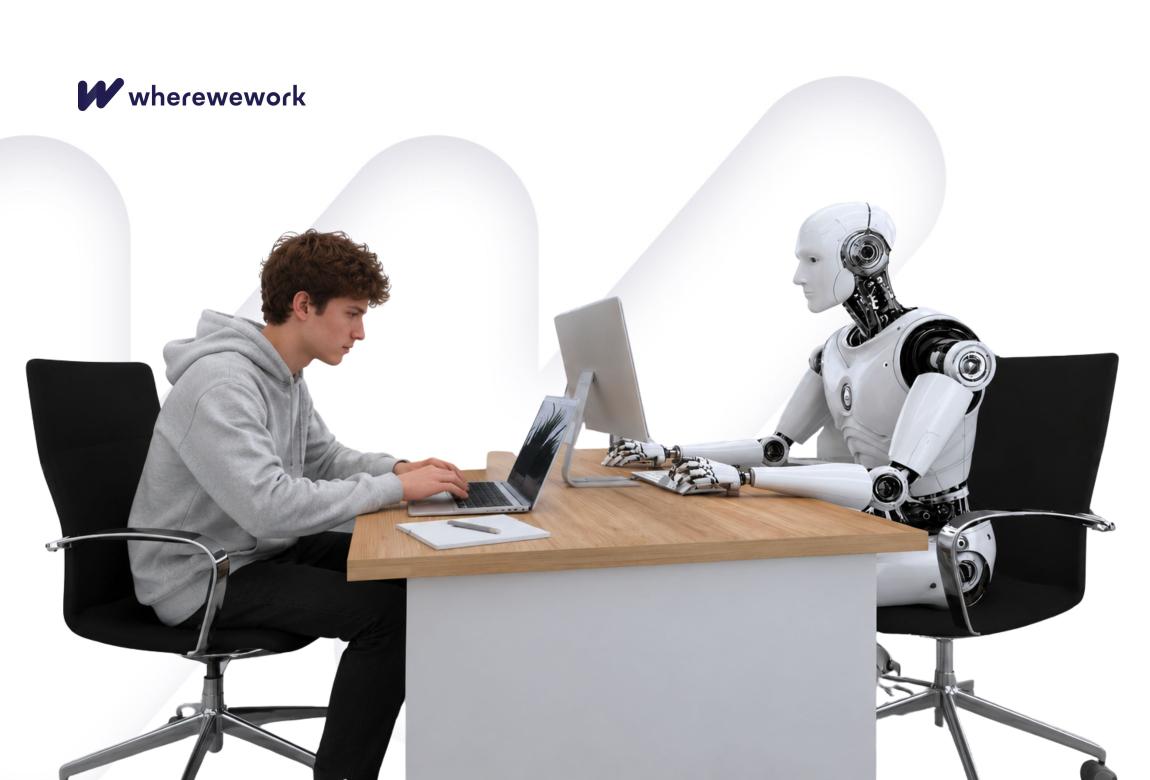
The job market is undergoing an unprecedented technological revolution, and one of the greatest global challenges is restructuring how companies build their teams. The mass adoption of artificial intelligence (AI) and automation has created a worrying phenomenon: the erosion of the entry level segment.
If execution, administrative, or repetitive tasks, those traditionally assigned to young people starting their career path, are taken over by algorithms, a critical question arises for the future of human resources: Where will tomorrow's mid level specialists and seniors come from if we no longer hire and train juniors today?
This structural imbalance risks blocking career progression and leaving companies without a solid talent base in the next 3 to 5 years.
Why Are Entry Level Roles Disappearing? The Effect of AI and Automation
Historically, entry level positions represented the gateway into any industry. It was the space where graduates learned internal processes, developed practical skills, and absorbed the organizational culture of a company.
Today, data at the European Union level shows a radical paradigm shift:
-
Automation of basic tasks: Simple data analysis, basic code writing, customer support (first level support), standardized document review, and administrative management are now performed faster and cheaper by generative AI tools.
-
Unrealistic expectations from beginners: Companies are no longer just looking for young people eager to learn, but rather "augmented juniors", entry level candidates who already know how to use AI to deliver the workload of a former mid level employee.
-
Decline in job volume for juniors: European labor market dynamics reports indicate a visible contraction in job offers dedicated to those without experience, as companies prefer to invest in making existing employees more efficient through technology via upskilling.
The Mid Level Trap: How This Trend Impacts the Future of Companies
The consequences of this short term strategy are already beginning to be felt and will create an acute crisis in the near future. This trap manifests itself through three major vulnerabilities:
1. Breaking the Chain of Mentorship and Knowledge Transfer
Senior specialists do not become experts overnight. Professional growth is an organic process. Without juniors in the team to guide, seniors lose their leadership skills, and the culture of transferring know how within the organization dissolves.
2. The Talent Pipeline Freeze
In a few years, current mid level specialists will advance to management or senior roles. In the absence of a junior base that has grown within the system, companies will face a huge skills gap. The hunt for talent in the external market will become extremely expensive because the number of qualified candidates will be highly limited.
3. Disappearance of the Learning Through Mistakes Context
Many of the critical skills of a mid level specialist (complex problem solving, critical thinking, client negotiation) develop precisely by managing and correcting mistakes made during the entry level period. AI can generate text or code without syntax errors, but it cannot simulate the professional maturation of a human being.
How to Avoid the Staffing Crisis: Strategies for Companies and Candidates
To avoid running out of specialists in the next decade, employers, the educational system, and candidates must change their approach.
What can companies do?
-
Redefining the Junior Role: Entry level positions should no longer be viewed as sources of mechanical labor, but as professional residency programs. Juniors should be hired for their potential for strategic and creative thinking, not for data processing speed.
-
Creating Internal Learning Academies: Large companies must assume the role of educators, compensating for gaps in the traditional educational system through intensive paid internship programs and structured mentorship.
-
Skills Based Hiring: Moving away from the rigid criterion of "years of experience" in favor of testing adaptability and problem solving capacity.
What can young candidates do?
-
Mastering Technology as a Second Language: AI should not be viewed as a competitor, but as a mandatory work tool. A junior capable of using artificial intelligence to triple their productivity will always be in demand.
-
Focus on Soft Skills: Emotional and social abilities, empathy, negotiation, teamwork, time management, and flexibility, are competencies that AI cannot replicate and which offer immediate added value.
Conclusion: The Balance Between Technology and Human Capital
Artificial Intelligence is an excellent catalyst for efficiency, but it cannot replace experience accumulated over time. Companies that choose today to completely eliminate entry level roles to reduce short term costs are putting their long term sustainability at risk.
Real innovation does not consist in replacing people with technology, but in creating an ecosystem where young professionals learn to collaborate with AI to become the competent leaders of tomorrow.
Frequently Asked Questions (FAQ)
1. How has AI changed the hiring process for entry level positions? AI has taken over the majority of repetitive and high volume administrative tasks, leading to a reduction in traditional junior jobs. Instead, companies now seek entry level candidates who already possess advanced technological skills and can use AI to deliver results faster.
2. Why is the lack of junior employees dangerous for a company? Without entry level employees, companies block the natural talent pipeline. In the long term (3 to 5 years), there will no longer be a new generation of mid level and senior specialists who know the organization's processes and culture from the inside, generating huge external recruitment costs.
3. What skills should young people develop to remain relevant in the face of AI? Young people must focus on niche skills and soft skills (critical thinking, emotional intelligence, complex problem solving, and interpersonal communication). Additionally, the ability to work directly with AI tools (such as prompt engineering and critical analysis of AI outputs) is mandatory.
4. What does Skills Based Hiring mean and how does it help young people? Skills Based Hiring is a method where employers evaluate candidates based on their actual practical competencies and adaptability, moving away from rigid criteria related to specific degrees or years of experience listed on a CV.
Share
What I read is worth it:
Article written by:
 wherewework.hu
Comments
0 comments
No comments! Be the first to comment on this article!

Access your account and add your comment
Motivation and vocation

Subscribe to the Newsletter
Read articles of interest from wherewework.hu contributors
